!-- Contractor Commerce Plugin -->
Element | Holy City Heating and Air, LLC
Design Element | Holy City Heating and Air, LLC

X Signs Your AC Needs Repair

Is Your AC Trying to Tell You Something? Know the Signs Before It Breaks Down

If you've noticed your home staying warmer than usual or heard a strange noise coming from your vents, you may already be seeing signs your AC needs repair. In Charleston's brutal summer heat and humidity, a struggling air conditioner isn't just uncomfortable — it can become a full breakdown fast.

Here are the most common signs your AC needs repair:

  1. Warm air blowing from vents — even when the thermostat is set to cool
  2. Weak or uneven airflow — some rooms feel fine, others don't
  3. Unusual noises — banging, grinding, squealing, or clicking
  4. Foul or musty odors — mold, mildew, or burning smells from vents
  5. Short cycling — the system turns on and off too frequently
  6. High indoor humidity — the air feels sticky and damp indoors
  7. Water leaks or ice buildup — around the unit or on refrigerant lines
  8. Sudden energy bill spikes — your cooling costs jump without explanation
  9. Thermostat problems — the system won't respond or holds the wrong temperature
  10. Frequent breakdowns — especially on a system that's 10–15 years old

Most AC problems don't appear overnight. They build slowly — a little less cool air here, a slightly higher power bill there — until one hot July afternoon the system quits entirely. For Charleston homeowners dealing with high humidity year-round, catching these warning signs early can mean the difference between a simple repair and a full system replacement.

The good news? Your AC almost always gives you warning. You just need to know what to look for.

10 warning signs your AC needs repair with causes and urgency levels infographic

10 Warning Signs Your AC Needs Repair

When our team heads out to service homes in Mount Pleasant, Summerville, or West Ashley, we often hear homeowners say, "It was working fine yesterday!" But when we look closer, we almost always find that the system had been struggling silently for weeks.

Ignoring minor performance drops does more than just compromise your indoor comfort; it forces your system to run longer, drastically lowering its overall system efficiency and accelerating internal wear.

Staying alert to these changes helps you address issues before they cascade into major system failures. If you suspect your system is struggling, keeping an eye on these Common Signs AC Needs Repair can help you protect your investment and maintain a cool home.

1. Warm Air Blowing From Vents: Clear Signs Your AC Needs Repair

There is nothing more frustrating than standing directly under a vent on a hot July afternoon in South Carolina, only to feel a steady stream of lukewarm or warm air. When this happens, it is one of the most immediate and clear signs your AC needs repair.

Before panicking, check your thermostat settings. Ensure it is set to "Cool" and that the fan is set to "Auto" rather than "On." If the fan is set to "On," it will blow air continuously even when the cooling compressor outside is resting, which can make the air feel warm.

If your settings are correct and the air is still warm, the issue is likely deeper:

  • Low Refrigerant: Refrigerant is the lifeblood of your system, absorbing heat from your indoor air. If there is a leak, the system cannot cool the air properly.
  • Compressor Failure: The compressor acts as the "heart" of your AC, pumping refrigerant through the system. If it begins to fail, heat exchange stops.
  • Restricted Airflow: A severely clogged air filter or dirty outdoor condenser coils can block heat transfer, causing the air inside your ducts to stay warm.

When your system is blowing warm air, continuing to run it puts immense strain on these key components. Learn more about how to spot these early stages by reading about Signs That Your Air Conditioner Might Be Failing.

2. Weak Airflow: Common Signs Your AC Needs Repair

Even if the air coming out of your vents is cool, it won't do much good if it is barely trickling into the room. Weak airflow is a common issue that leaves some rooms feeling like iceboxes while others feel like saunas.

This problem often stems from several distinct areas in your system:

  • Clogged Air Filters: When filters are loaded with dust, pet dander, and Charleston pollen, your blower motor has to work twice as hard to push air through, resulting in a noticeable drop in vent strength.
  • Failing Blower Motor: The blower fan is responsible for sending conditioned air throughout your home. If the motor is failing or the fan belt is slipping, your airflow will drop significantly.
  • Duct Leaks: Did you know that according to the Department of Energy, up to 20% to 30% of conditioned air can escape through holes, leaks, or poorly connected ducts? If your ducts are leaking in the attic or crawlspace, you are paying to cool areas you don't even live in.

When airflow drops, you will quickly notice uneven cooling throughout your home. If you are trying to figure out why certain rooms are warmer than others, check out our guide on Troubleshooting Uneven Cooling Issues.

3. Unusual Noises and What They Mean

Your air conditioner should operate with a gentle, predictable hum. While some clicking at startup and shutdown is completely normal, loud or sudden structural noises are a cry for help.

If your outdoor unit or indoor air handler starts making these sounds, it is time to pay attention:

  • Banging or Clanking: This usually indicates a loose or broken part inside the compressor or blower assembly. A connecting rod, piston pin, or blower fan blade may have come loose and is striking other components.
  • Squealing or Screeching: High-pitched squealing often points to a worn blower motor belt or failing bearings in the fan motor.
  • Grinding: If you hear a harsh grinding sound, it is typically a sign that the motor bearings have worn down completely, causing metal-to-metal friction.
  • Hissing: A persistent hissing sound is a classic indicator of a refrigerant leak or a leak in your ductwork.

Ignoring these sounds can turn a simple loose screw into a completely destroyed compressor. If your system is making strange sounds, we recommend turning it off immediately and reviewing our breakdown of Strange AC Noises and Their Meanings.

4. Foul Odors and Musty Vents

When your AC kicks on, the air coming out should smell clean and neutral. If you are greeted by a strange or unpleasant odor instead, it is a sign of an internal issue that could affect your indoor air quality and health.

The type of smell can tell you a lot about what is going on:

  • Musty or Damp Smells: This is the most common odor in humid coastal areas like Daniel Island and Isle of Palms. Because your AC removes moisture from the air, the dark, damp interior of your unit is a prime breeding ground for mold and mildew. This is especially true if your condensate drain line is partially blocked.
  • Burning or Metallic Smells: A burning plastic or electrical smell indicates that wires are overheating, a motor is burning out, or a component is short-circuiting.
  • Rotten or Foul Smells: If you smell something rotten, a small pest may have nested and died inside your ductwork or unit housing.

Never ignore these smells, especially burning odors, which present a potential fire hazard. For a deeper look into olfactory warnings, read about the 5 Issues Your AC May Have.

5. Short Cycling and Frequent On/Off Cycles

A standard cooling cycle should last around 15 to 20 minutes, allowing your system to lower the temperature evenly and pull humidity out of the air. If your air conditioner is constantly turning on, running for three minutes, shutting off, and then turning back on a few minutes later, it is "short cycling."

Short cycling is incredibly hard on your equipment. The startup phase is when an AC experiences the most electrical and mechanical strain, so constant cycling accelerates system wear and wastes significant energy.

Common causes of short cycling include:

  • An Oversized Unit: If an AC is too large for your home, it will cool the space too quickly without properly dehumidifying it, leading to constant cycles. An oversized unit can use 20% to 50% more electricity than a properly sized system.
  • Thermostat Placement: If your thermostat is placed near a drafty window, an exterior door, or directly under a supply vent, it will get false temperature readings and cycle the system incorrectly.
  • Refrigerant Leaks or Low Airflow: Low refrigerant or a dirty filter can cause the system's safety switches to trip, shutting the system down prematurely to prevent damage.

If your system is shutting down randomly, it is critical to find the root cause. You can find more detail on this issue in our article on Reasons Your AC Keeps Shutting Down Randomly.

6. High Indoor Humidity and Moisture Leaks

In Charleston, managing relative humidity is just as important as managing the temperature. A properly functioning air conditioner naturally acts as a dehumidifier, condensing moisture out of the air as it passes over the cold evaporator coils.

Ideal indoor relative humidity should stay between 30% and 50%. If your home feels sticky, damp, or clammy, your AC is not doing its job.

Additionally, you should regularly check around your indoor air handler for physical water leaks:

  • Blocked Condensate Drain: The moisture stripped from your air flows into a drain pan and out of your home through a condensate line. Algae, mold, and dust can easily clog this line, causing water to back up and overflow.
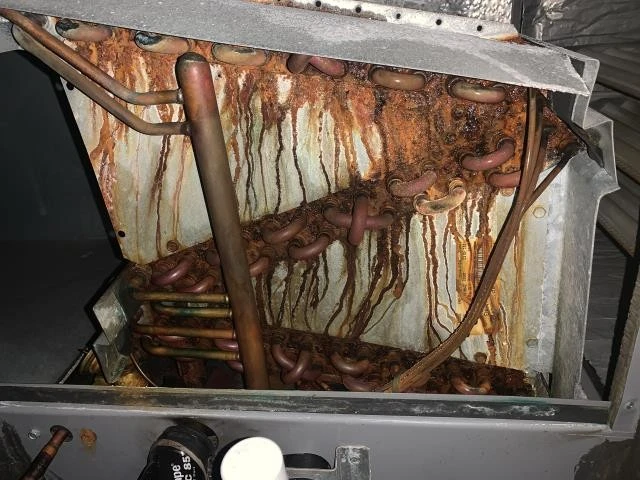
  • Damaged Drain Pan: Over time, metal drain pans can rust through, and plastic pans can crack, leading to water damage in your ceiling or crawlspace.

Because water damage can quickly lead to structural issues and toxic mold growth, active leaks should be addressed immediately. For troubleshooting steps, read our guide on Diagnosing Air Conditioning Issues.

7. Sudden Spikes in Energy Bills

It is completely normal for your power bills to rise during the peak summer months. However, if you notice a sudden, dramatic spike in your electricity costs compared to the same month last year, your AC is likely losing its efficiency.

Air conditioning accounts for roughly 12% to 27% of a typical home's monthly power bill. When internal components like the compressor, fan motor, or coils are dirty or failing, the system has to run much longer to achieve the same cooling effect.

To spot efficiency loss:

  • Compare your monthly utility bills year-over-year rather than month-to-month.
  • Check if your system is running almost continuously without bringing the indoor temperature down to your thermostat's setpoint.
  • Inspect your outdoor unit to ensure it isn't choked by weeds, dirt, or debris, which forces the system to consume much more power.

8. Frozen Evaporator Coils

It might seem counterintuitive, but your air conditioner can actually freeze up in the middle of a hot summer. If you notice ice forming on the outdoor refrigerant lines or see a layer of frost on your indoor evaporator coil, your system is in trouble.

Ice buildup occurs when the temperature of the evaporator coil drops below freezing. This is usually caused by two main issues:

  • Airflow Restriction: If air cannot flow over the coils due to a dirty filter, blocked vents, or a failing blower motor, the refrigerant inside the coils will get too cold, causing moisture in the air to freeze instantly on contact.
  • Refrigerant Leaks: Low refrigerant levels drop the pressure inside the system, which causes the temperature of the remaining refrigerant to plummet, freezing any condensation on the coils.

If you see ice, turn your system off immediately at the thermostat to let it thaw, and do not run it until a professional has inspected it. Running a frozen system can permanently damage the compressor.

9. Thermostat Issues and Unresponsive Controls

Sometimes, the air conditioner itself is in perfect shape, but the system won't run because of a communication failure. The thermostat is the brain of your HVAC system; if it isn't calibrated correctly or has wiring issues, your AC won't know when to turn on or off.

If your system is unresponsive, check the following first:

  • Batteries: Low batteries can cause the thermostat to lose its programming or fail to send signals to your unit.
  • System Mode: Ensure the thermostat is set to "Cool" and the fan is set to "Auto."
  • Placement: Make sure your thermostat is located away from direct sunlight and heat-producing appliances.

If your thermostat is blank, unlit, or completely unresponsive, it can prevent your entire system from starting. If your unit won't kick on at all, you can find helpful troubleshooting steps in our guide on what to do when your AC Unit Not Working.

10. System Age and Frequent Breakdowns

Even the best-maintained air conditioning systems have a limited lifespan. Most central air units last around 10 to 15 years. As your system crosses the decade mark, normal wear and tear begins to take a heavy toll.

Older systems lose approximately 5% of their efficiency annually without proper maintenance. Furthermore, systems installed before 2010 often rely on R-22 refrigerant, which was completely phased out by the EPA in 2020. If an older system develops a refrigerant leak, repairing it can become incredibly difficult and costly due to the scarcity of R-22.

If you find yourself calling for service multiple times a season, it is a strong indicator that your system is reaching the end of its reliable service life. Keep track of these late-stage warnings by reading about Signs Your Air Conditioning Needs Service.

Distinguishing Normal AC Operation From System Failure

It can be tough for homeowners to know when a system behavior is just a normal part of operation or a sign of an impending breakdown. The table below helps clarify the difference:

Normal AC OperationPotential System Failure (Needs Repair)
A brief 3-to-5-minute delay before the outdoor unit turns on after adjusting the thermostat.The system hums but the outdoor fan or compressor refuses to start.
A gentle, steady rush of air from your vents with a quiet background hum.Loud banging, screeching, grinding, or rapid clicking sounds.
A small, steady drip of water from your outdoor condensate drain line while running.Water pooling around your indoor unit, overflowing drain pans, or active leaks.
A slight temperature variation of 1°F to 3°F between different levels of your home.Major temperature swings, hot zones, or rooms that receive zero airflow.
The system runs for 15 to 20 minutes to cool the home, then rests.Continuous running without stopping, or short cycles lasting under 5 minutes.

If you are experiencing minor issues that don't quite require an emergency call, you can explore some basic troubleshooting and Fixes for Common AC Problems to see if a simple filter change or thermostat reset can resolve the issue.

The Repair vs. Replacement Decision: The $5,000 Rule

When your air conditioner starts acting up, one of the biggest questions you will face is: Should I repair it or replace it?

To help make this decision easier, we recommend using a classic industry guideline known as The $5,000 Rule.

To use this rule, simply multiply the age of your air conditioning system by the estimated cost of the repair. If the result is over $5,000, it is generally more cost-effective to invest that money into a new, energy-efficient replacement. If the total is under $5,000, proceeding with the repair is usually the smarter choice.

  • Example A (Repair): You have an 8-year-old system that needs a minor electrical repair. Since the repair is relatively straightforward, multiplying 8 by the repair cost keeps you well under the $5,000 threshold. Repairing is the clear choice.
  • Example B (Replace): You have a 12-year-old system with a failing compressor. Multiplying 12 by the substantial cost of a compressor replacement puts you well over the $5,000 mark. In this case, investing in a new system is the better long-term financial decision.

Additionally, switching to a modern, high-efficiency system can cut your cooling costs by 20% to 40% immediately, helping you recoup your investment through lower monthly utility bills.

How Regular Maintenance Prevents Major AC Breakdowns

The absolute best way to avoid the stress of an unexpected summer breakdown is through regular, preventative maintenance. Just like changing the oil in your car, your home's HVAC system needs routine professional attention to perform its best.

An annual spring tune-up offers several major benefits:

  • Prevents Efficiency Loss: Without maintenance, aging systems lose about 5% of their efficiency every year. Routine cleanings keep your energy bills low.
  • Extends Lifespan: Keeping coils clean and electrical connections tight reduces friction and strain, helping your system reach its full 10-to-15-year potential.
  • Catches Minor Issues Early: Our technicians can spot tiny issues — like a slightly worn capacitor or a minor drain blockage — and fix them before they turn into major, hot-weather emergencies.

Frequently Asked Questions about AC Repair

Why is my AC blowing warm air instead of cold?

Warm air is usually caused by a tripped circuit breaker, a severely clogged air filter, low refrigerant levels, or a failing compressor. We recommend checking your thermostat settings and air filter first. If those are clear, turn the system off and contact a professional to inspect for refrigerant leaks or electrical issues.

Is it normal to see ice on my air conditioner in the summer?

No, ice is never normal during summer operation. Ice indicates a severe restriction in airflow (such as a dirty filter or blocked vents) or a refrigerant leak. If you see ice, shut your system off immediately to let it thaw and prevent permanent damage to your compressor.

How often should I schedule professional AC maintenance?

We recommend scheduling professional maintenance once a year, ideally in the early spring before the summer heat hits its peak. Regular maintenance ensures your system is clean, safe, and operating at peak efficiency before you need to rely on it daily.

Conclusion

When summer temperatures climb, you need to know that your air conditioner is ready to handle the load. Paying close attention to the early signs your AC needs repair — whether it is a subtle drop in airflow, an unusual noise, or an unexpected jump in your monthly power bill — can save you from a complete system breakdown when you need cooling the most.

At Holy City Heating & Air, we have spent over two decades helping homeowners throughout Charleston, Mount Pleasant, Summerville, and surrounding areas stay comfortable year-round. As a family-owned business, we combine the robust resources of a growing company with the personal, dedicated care of a local neighbor. Our EPA-certified, licensed professionals are committed to keeping your home cool, dry, and safe.

If your system is acting up, don't wait for a complete summer meltdown. Check out More info about AC repair services or contact our friendly team today to schedule an inspection and keep your home comfortable all year long!

Share This :

Recent posts

Essential Guide to Server Room Cooling Solutions for Businesses

Essential Guide to Server Room Cooling Solutions for Businesses

July 15, 2026
Discover server room cooling solutions for businesses that prevent downtime and protect IT equipment with precision cooling and reliable HVAC systems.
Read More
Design Element | Holy City Heating and Air, LLC
How to Keep Your HVAC Out of the Emergency Room

How to Keep Your HVAC Out of the Emergency Room

July 14, 2026
Learn how to prevent hvac emergencies with maintenance: DIY tips, pro inspections & Charleston heat wave strategies for reliable AC.
Read More
Design Element | Holy City Heating and Air, LLC
Membership Plan vs Pay Per Visit: Complete Comparison Guide

Membership Plan vs Pay Per Visit: Complete Comparison Guide

July 13, 2026
Compare membership plan vs pay per visit for HVAC care in Charleston and decide which service model fits your home best.
Read More
Design Element | Holy City Heating and Air, LLC