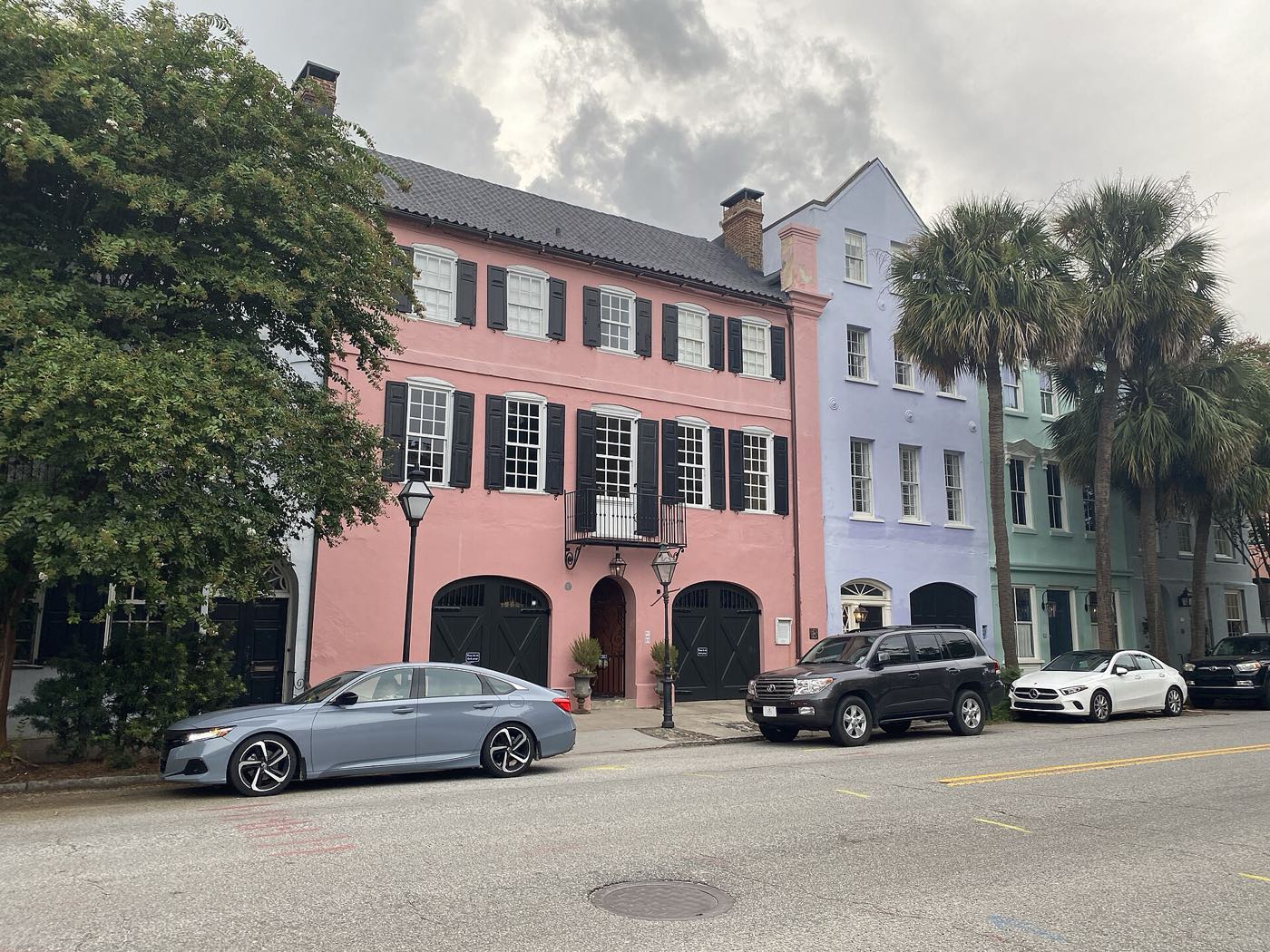
Why Lowcountry crawl spaces are uniquely hostile
Most older Charleston homes stand on crawl space foundations, a sensible choice on our flood-prone, high-water-table land. But that design puts your floor system, your ductwork, and often your HVAC equipment a few feet above some of the dampest ground in America.
The traditional vented crawl space was built on a theory that outdoor air flowing through would keep things dry. In the Lowcountry the theory fails in the worst way: all summer, the vents admit hot, humidity-saturated air into a space cooled from above by your air-conditioned floors. Warm damp air meeting cool surfaces condenses, and the crawl space stays wet precisely because it is ventilated.
Add our flooding reality — king tides, tropical downpours, hurricane surge in the lowest areas — and the space under the house can go from chronically damp to periodically soaked. Water that enters a crawl space leaves slowly, and everything above it feels the consequences.
How a wet crawl space becomes a comfort problem upstairs
Air moves upward through a house, drawn by the same stack effect that makes second floors hot. A meaningful share of the air in your living space rose from the crawl space through gaps around plumbing, wiring, and subfloor seams — carrying its moisture and its odors with it.
The ductwork suffers directly. Cold supply ducts running through a humid crawl space sweat like a glass of iced tea, soaking insulation and inviting mold. Duct leaks are worse than wasteful here: a leaky return in a damp crawl space actively inhales moldy air and distributes it through the house.
Your air conditioner pays the bill. A system fighting continuous moisture migration from below runs longer, dehumidifies less effectively, and still leaves the house feeling clammy. Homeowners often blame the equipment for what is fundamentally a building problem.
- Persistent musty smell, strongest when the AC starts
- Clammy indoor air even when the thermostat is satisfied
- Cupping or crowning hardwood floors
- Visible mold on vents, baseboards, or crawl space wood
- Sweating ducts or standing water under the house
After a flood: the window that matters
When storm water enters a crawl space, the first days matter most. Standing water needs to be pumped out promptly, soaked insulation removed, and drying started before mold establishes — wood and fiberglass that stay saturated become a remediation project instead of a cleanup.
Any HVAC equipment or ductwork the water touched needs professional inspection before the system runs again. Flooded ducts can hold contaminated water, and equipment electrical components exposed to water are not safe to energize on hope. Our storm center covers the post-storm sequence for the whole system.
This is also the moment to think structurally. If your crawl space has flooded once, it will flood again, and choices like elevating equipment, rerouting or sealing ducts, and improving drainage are far cheaper to make during a cleanup than after the next storm.
Real fixes, from drainage to encapsulation
The fixes run in tiers. First, keep bulk water out: grade soil away from the foundation, extend downspouts, and add drainage or a sump where water collects. No moisture strategy survives standing water.
Second, stop the ground moisture: a heavy vapor barrier over the soil dramatically cuts the water constantly evaporating up into the space. Third, for the many Lowcountry homes where venting makes things worse, full encapsulation — sealing the vents, insulating the walls, and conditioning or dehumidifying the space — turns the crawl space from a swamp into something closer to a clean basement.
Encapsulation is a meaningful investment, but it attacks the root of problems homeowners otherwise chase for years: the mustiness, the clammy air, the sweating ducts, the AC that never quite satisfies. Paired with sealed, insulated ductwork, it frequently transforms how a house feels.
Where your HVAC company fits in
Because the symptoms show up as comfort complaints, an HVAC visit is usually where this problem gets discovered. When we service equipment in a crawl space, we see the conditions firsthand — the duct sweat, the insulation state, the moisture — and we will tell you honestly whether your comfort problem is the equipment or the environment it lives in.
Holy City Heating & Air handles both sides of the mechanical picture, HVAC and plumbing, which matters under a house where a slow plumbing leak is often a hidden moisture source. If your home never smells quite right or never feels quite dry, call (843) 790-6504 and have someone actually look under the house.