
Learning Center
Understand your home like a Lowcountry technician
Plain-language guides written for Charleston homes — the humidity, the salt air, the hurricane season, and the systems that live through them.
Cooling
-
Why Is My AC Freezing Up?
An air conditioner freezes up when the evaporator coil gets colder than it should, usually because airflow is restricted or refrigerant is low. The moisture …
Read the guide -
Why Is My AC Running but Not Cooling?
An air conditioner that runs without cooling usually has a problem in one of four places: the thermostat settings, the air filter and airflow path, the outdo…
Read the guide -
Why Is My Upstairs Hotter Than Downstairs?
Upstairs rooms run hotter because heat rises, attic temperatures radiate down through the ceiling, and most single-system homes were ducted to favor the main…
Read the guide -
What's the Best HVAC Brand for a Charleston Home?
There is no single best HVAC brand — every major manufacturer builds equipment that can perform well in Charleston when it is sized, installed, and maintaine…
Read the guide
Heating
-
Are Heat Pumps Right for Lowcountry Homes?
Heat pumps are an excellent match for the Lowcountry. Our winters are mild, which is exactly the range where heat pumps heat most efficiently, and our long c…
Read the guide -
Heat Pump vs. Gas Furnace in the Lowcountry
For most Charleston homes, a heat pump is the stronger choice: our winters are mild, our cooling season is long, and one heat pump handles both jobs efficien…
Read the guide -
Smart Heating for Mild Charleston Winters
Heating a Charleston home well is about strategy, not horsepower: our winters are mild, swing wildly week to week, and punish habits imported from colder cli…
Read the guide
Air Quality
-
The Charleston Homeowner's Guide to Indoor Humidity
Indoor humidity in Charleston homes is a year-round management problem, not just a summer nuisance. Excess moisture makes rooms feel warmer than they are, fe…
Read the guide -
How Often Should Ducts Be Cleaned?
There is no fixed schedule for duct cleaning, and any company that insists on cleaning your ducts every year is selling you something. Cleaning is justified …
Read the guide -
Resetting Your Indoor Air After Charleston Pollen Season
After Charleston's spring pollen season, your HVAC system has spent weeks filtering some of the heaviest pollen loads in the country, and the residue does no…
Read the guide
Maintenance
-
How Salt Air Affects Your HVAC (and What to Do About It)
Salt carried in coastal air settles on outdoor HVAC equipment and, combined with Charleston's humidity, corrodes coil fins, copper tubing, electrical connect…
Read the guide -
Preparing Your HVAC for Charleston Hurricane Season
Hurricane season runs June 1 through November 30, and your HVAC system faces three main storm threats: wind-blown debris, electrical surges, and flooding. Be…
Read the guide -
How Long HVAC Systems Last, by Type
Commonly cited industry ranges put central air conditioners and heat pumps around 10 to 15 years, gas furnaces around 15 to 20 years, and ductless mini-split…
Read the guide
Charleston Seasonal
-
Crawl Spaces, Flooding & Humidity: The Lowcountry's Hidden Comfort Problem
Many of Charleston's most stubborn comfort problems — musty odors, clammy air, cupping floors, mold on vents — start under the house. Lowcountry crawl spaces…
Read the guide -
Salt-Air Corrosion, Equipment by Equipment
Salt air does not corrode all equipment equally — it attacks each component through its own weak point. Condenser coils lose fin metal, cabinets and electric…
Read the guide -
A Filter Strategy for Charleston's Pollen Season
The right pollen-season filter strategy is a filter efficient enough to capture pollen, checked far more often than usual, in a system that can handle the ai…
Read the guide
Lowcountry Local Guides
-
Who's My Power Company? Charleston-Area Utility Territories & What They Mean for Rebates
Most of the Charleston area is served by either Dominion Energy South Carolina or Berkeley Electric Cooperative — and which one bills you decides which HVAC …
Read the guide -
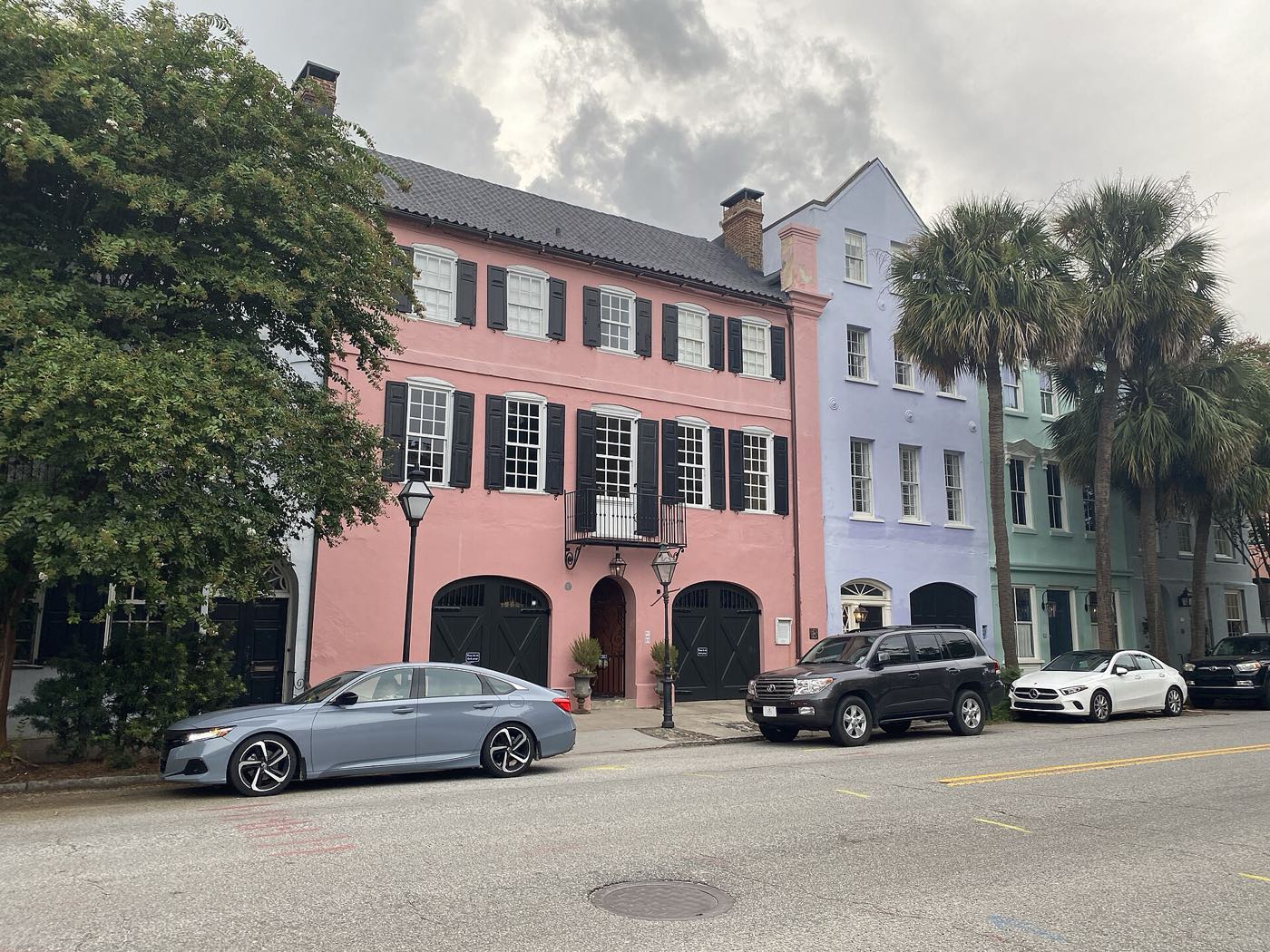
HVAC in Charleston's Historic Districts: BAR Rules, Equipment Placement & What's Actually Allowed
Inside the City of Charleston's historic districts, the Board of Architectural Review (BAR) reviews exterior work visible from the public right-of-way — and …
Read the guide -
Builder-Grade HVAC in Nexton, Cane Bay & the Growth Corridors: An Honest Upgrade Guide
Builder-grade systems in the Summerville–Goose Creek growth corridors are chosen to hit a construction budget and pass code — not to manage 90% Lowcountry hu…
Read the guide -
Flood Zones & HVAC Equipment Elevation in the Lowcountry: What the Rules Require
In the Charleston area's mapped flood zones, mechanical equipment is regulated: Charleston County requires replacement HVAC systems to be elevated, and when …
Read the guide
Plumbing
-
Water Heater Lifespan in Charleston: Tank vs. Tankless
Conventional tank water heaters commonly serve about eight to twelve years; tankless units typically last considerably longer, often around twenty. In Charle…
Read the guide -
Signs of Hard Water in Your Home
Hard water announces itself as white scale on fixtures, spotted glassware, soap that will not lather, dry skin after showers, and appliances that age early. …
Read the guide -
Knowing Your Water Shutoffs Before a Storm
Every adult in a Charleston home should know two things before hurricane season: where the house's main water shutoff is, and that it actually turns. A worki…
Read the guide -
Slab & Crawl-Space Leak Warning Signs
Hidden leaks show up as a water bill that jumps without explanation, warm spots on floors, the sound of water with everything off, and persistent mustiness. …
Read the guide
Costs & Financing
-
What Drives AC Installation Cost in Charleston
Two Charleston homes can receive very different AC installation quotes for good reasons: equipment tier, ductwork condition, electrical and code scope, and w…
Read the guide -
Ductwork Replacement: What Moves the Price
Ductwork replacement is priced by access, length and layout, material and insulation level, and how many supply and return corrections the design needs. It i…
Read the guide -
Is a Maintenance Plan Worth It? The Honest Math
Our Friends & Family membership starts at $21 a month and carries four concrete values: 20% off equipment repairs, half-priced service fees, priority schedul…
Read the guide
Permits & Codes
-
When HVAC Work Needs a Permit in South Carolina
In South Carolina, system replacements and new installations generally require a mechanical permit from your local jurisdiction, while like-for-like minor re…
Read the guide -
SC Mechanical Code Basics Homeowners Actually Ask About
South Carolina adopts the International Code family statewide through the SC Building Codes Council, so the mechanical and plumbing rules your installation m…
Read the guide -
The Refrigerant Transition: What R-410A Phase-Down Means for Your Next System
Under the federal HFC phase-down, new residential systems have transitioned from R-410A to lower-global-warming-potential refrigerants such as R-32 and R-454…
Read the guide -
Which Building Department Covers Your Charleston-Area Home?
Permits in the Charleston area are issued by the jurisdiction your address actually sits in — which, thanks to annexation patterns, is not always the town in…
Read the guide
Money & Planning
-
Repair or Replace? How Charleston Homeowners Should Decide
Repair usually makes sense for a younger system with a first-time, well-understood failure. Replacement deserves serious consideration when a system is well …
Read the guide -
Financing, Tax Credits & Rebates for a New HVAC System
Most Charleston homeowners have three levers for making a new HVAC system affordable: monthly financing, which Holy City Heating & Air offers through Goodlea…
Read the guide
How these guides are written
Every guide is written and reviewed by the Holy City Heating & Air team — a licensed South Carolina mechanical contractor (License #M113404) whose technicians work in Charleston homes every day. Claims that depend on an official source (utility programs, permits, codes, rebates) link to that source; costs are shown as local ranges, never quotes; and each guide carries its last-updated date. When something needs an in-person diagnosis, the guide says so instead of guessing.
Quick Answers
The HVAC FAQ library
Twenty of the questions Charleston homeowners actually ask — SEER2, BTUs, MERV, thermostats, repair-vs-replace — answered in a paragraph each.
Questions a guide can't answer?
Our technicians explain what they find in plain language — ask us anything about your home's systems.