
Free second opinion

Lowcountry Local Guides

Builder-Grade HVAC in Nexton, Cane Bay & the Growth Corridors: An Honest Upgrade Guide

Builder-grade systems in the Summerville–Goose Creek growth corridors are chosen to hit a construction budget and pass code — not to manage 90% Lowcountry humidity. The common results we see in Nexton, Cane Bay, and Carnes Crossroads homes: short-cycling that leaves the house clammy, upstairs rooms that never match the thermostat, and undersized returns straining the equipment. The honest fixes range from duct balancing and smart zoning to a right-sized variable-speed replacement when the builder unit ages out.

Why builder systems struggle here

A production builder specifies HVAC by cooling capacity and wholesale cost. The house passes inspection, the system cools — and then the first Charleston August shows the gap between 'meets code' and 'built for the Lowcountry.' Humidity is a separate engineering problem from temperature, and single-stage builder equipment cools the air quickly without running long enough to wring the moisture out. That's the clammy-at-72° feeling so many growth-corridor homeowners describe.

Two-story layouts compound it: one system fighting two floors through builder-priced ductwork, often with returns sized to the plan rather than the load. Downstairs freezes while the upstairs bedrooms roast every summer afternoon.

The honest fix, in order of cost

Not every comfort complaint needs a new system. Our sequence in these neighborhoods: measure first (airflow, static pressure, humidity), then fix the cheapest real problem — balancing and sealing ducts, adding returns, correcting refrigerant charge. Zoning with smart dampers addresses the two-story fight directly. And when the builder unit reaches the end of its life, a properly load-calculated variable-speed heat pump — sized for the house as built, not the plan set — fixes temperature and humidity at the same time.

  • Measure before replacing — half of 'equipment problems' are duct problems
  • Zoning or added returns often beat a bigger unit
  • Variable-speed replacements manage humidity, not just temperature
  • Register your warranty — builder installs often never were
Written and reviewed by the Holy City Heating & Air team

Licensed South Carolina mechanical contractor (License #M113404, verifiable at LLR Online) — local technicians serving Charleston and the Lowcountry since 2015. See our certifications & awards and our story.

Last updated July 4, 2026 · Guides are grounded in what our technicians see in Charleston homes; official sources are linked above where a claim depends on them. Every recommendation still needs an in-person diagnosis.

Frequently asked questions


Why is the upstairs of my Nexton house so much hotter than downstairs?

One system serving two floors through builder-grade ducts, usually with limited return air upstairs. Heat rises, the thermostat sits downstairs, and the system satisfies it before the second floor catches up. Zoning, added returns, or a two-system design on replacement are the real fixes.

My AC is only 8 years old — should it really be failing?

It shouldn't, but budget-grade equipment run hard by Lowcountry summers ages fast, especially when short-cycling stresses the electrical components. We'll give you an honest read on repair versus replace — including when a repair is genuinely worth it.

Is a bigger AC the answer to a clammy house?

Almost never — oversizing is usually the cause, not the cure. A bigger unit satisfies the thermostat even faster and removes even less moisture. Right-sizing with a variable-speed system is how you get dry, even comfort.

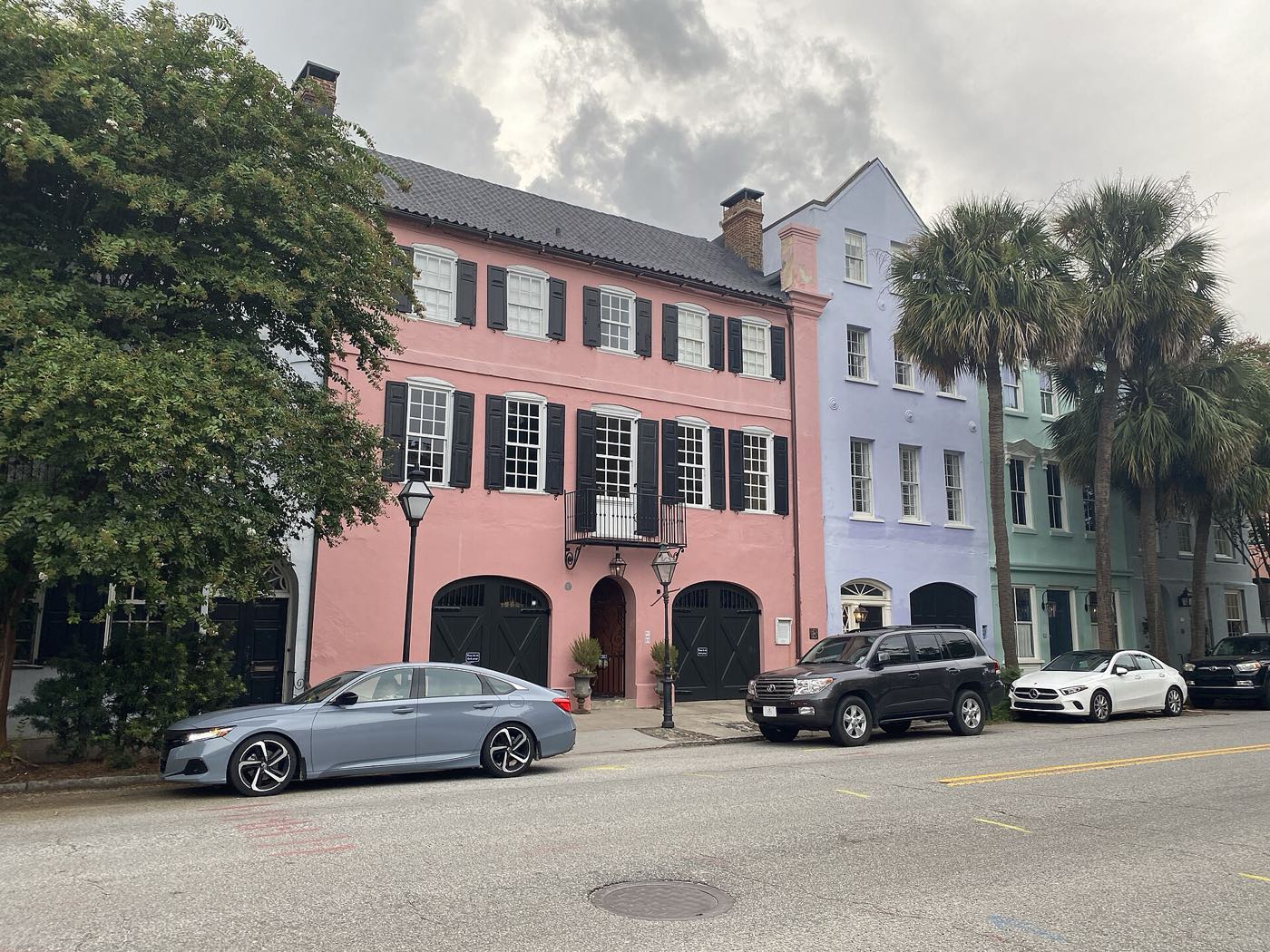
Rainbow Row's pastel historic houses on East Bay Street in Charleston, South Carolina

Y’all deserve to be comfortable.

Schedule an appointment with us today — or call and talk to a real person, until 9 PM.