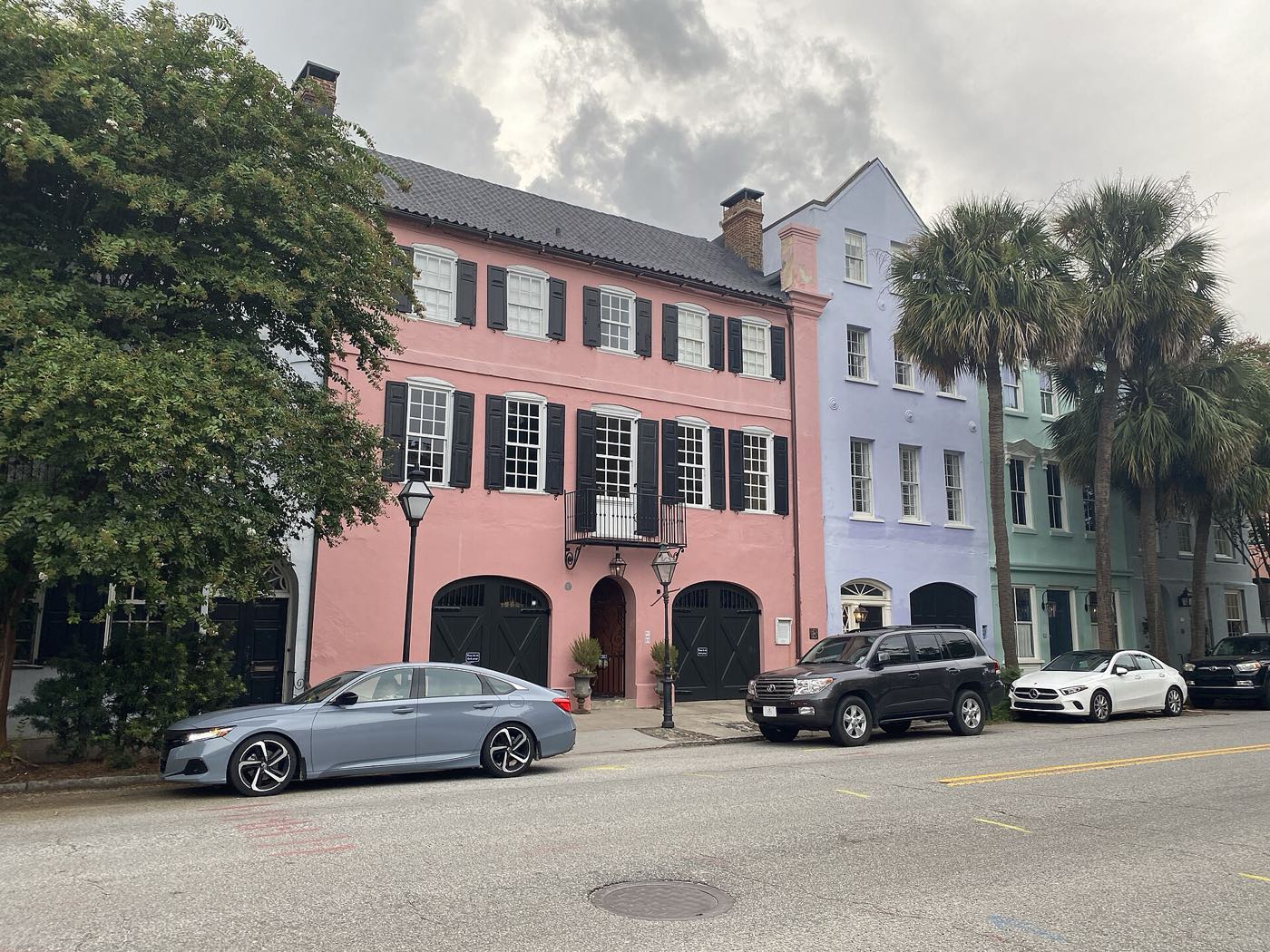
The strange shape of a Lowcountry winter
Charleston winter is less a season than a negotiation. Seventy-degree afternoons give way to frosty mornings, a week of open windows precedes a hard freeze, and your heating system may run hard for three days and then sit idle for ten. That volatility, not severity, is what defines smart heating here.
It also means annual heating costs are modest compared to cooling — but not trivial, and the waste hides in the swings. Systems that fight the volatility badly, or homeowners who manage them with cold-climate habits, spend real money on a mild season.
The good news is that mild winters reward small smart habits disproportionately. A few adjustments to how you set, and reset, your thermostat cover most of the opportunity.
If you heat with a heat pump, read this section twice
Most Charleston homes heat with heat pumps, and heat pumps have one management rule that surprises people: avoid large, abrupt thermostat increases. When you ask a heat pump for a big jump — say, returning from a weekend away and cranking the setting up several degrees — many systems engage electric backup heat to close the gap quickly. Backup heat works, but it costs several times as much to run as the heat pump itself.
That changes the setback math. The deep nighttime setbacks that save money with a gas furnace can backfire with a heat pump, because the morning recovery leans on backup heat. Gentler setbacks, or a steady setting during cold stretches, usually costs less than aggressive swings. Smart thermostats with heat-pump-aware recovery logic solve this automatically by warming the house gradually.
Two more heat pump notes for our climate. First, brief steam and gurgling from the outdoor unit on frosty mornings is the normal defrost cycle, not a malfunction. Second, if your backup heat indicator runs constantly in ordinary mild weather, something is wrong — that is a service call worth making before the bill arrives.
Thermostat strategy for a climate that cannot make up its mind
Pick a modest winter setting your household genuinely finds comfortable and hold it steady through cold stretches rather than chasing the weather. Every impulsive adjustment during a volatile week costs more than it returns, especially with a heat pump.
Use the warm interludes deliberately. When a sunny seventy-degree week arrives, let the system rest, open up the house, and enjoy the Lowcountry's payoff season. Just close up before the next front arrives so the system is not reheating a fully chilled house — which, again, is exactly when backup heat sneaks onto the bill.
Humidity plays a quiet role in winter comfort too. Charleston winter air is drier than our summers but rarely truly dry, and a home kept slightly humidified feels warmer at the same temperature. If your home feels colder than the thermostat reads, dryness and air leakage are the usual suspects before the equipment is.
- Hold a steady, modest setting through cold stretches
- Prefer gentle setbacks over deep ones with a heat pump
- Let smart thermostats handle gradual morning recovery
- Air the house out during warm spells, close up before fronts
- Investigate constant backup-heat operation promptly
The few real cold snaps: be ready without overbuilding
Every Charleston winter delivers a handful of genuinely cold nights, and they arrive with warning. The preparation is simple: hold the thermostat steady rather than tinkering, and let the system run long cycles — continuous operation in severe cold is normal, not a symptom.
The cold snap is also when the plumbing side of winter matters most, because Lowcountry homes were not built for freezes. Exterior faucets, crawl space pipes, and water heaters in unconditioned spaces are the casualties of our rare hard freezes. Covering hose bibbs, opening cabinet doors on exterior walls, and letting a vulnerable faucet drip on the coldest nights costs almost nothing and prevents the most common freeze damage we see.
Space heaters deserve a caution: fine as a spot supplement in an occupied room, poor as a strategy. Running multiple resistance space heaters costs more than almost any central system, and unattended units remain a leading cause of home fires.
The fall checkup that makes all of this work
A heating system that sat idle since March deserves a checkup before the first cold front, not after. For heat pumps, that means verifying the reversing valve, defrost operation, refrigerant charge, and — critically — that backup heat stages correctly instead of running when it should not. For gas furnaces, it means burner, ignition, venting, and heat exchanger checks, which are safety items as much as comfort items.
Mild-climate heating failures cluster on the first cold night, precisely because the season provides so few shakedown runs. A fall tune-up finds the weak contactor or the miswired stage in October instead of during the January freeze rush.
That fall visit is half of the Friends and Family plan rhythm — from $21 a month with 20 percent off repairs, one visit before cooling season and one before heating season. Holy City Heating & Air has kept Charleston homes warm through mild winters and their occasional mean streaks since 2015. Call (843) 790-6504 to get the fall checkup on the books.